
KEEPING EYES ON YOUR WEBSITE: 4 Easy Ways for Designers to Build Engagement
Websites remain our ultimate selling tool – more than ever in an age of AI. But are your website visitors sticking around? Here are four fast ideas for evaluating – and fixing – your website’s engagement.
- Speed is everything – check your website across a range of devices. The 3-second rule is real. Need more speed? This is the kind of thing AI is made for: Ask for a list of things to check and how to fix them. One important tip for designers’ photo-heavy pages, use free tools like TinyPNG or ImageOptim to reduce file sizes without losing quality.
- “Clarity is power.” –Robin Sharma, leadership expert and author of The Monk Who Sold His Ferrari. Another reason visitors lose interest quickly? Confusing, chaotic designs and overly complex navigation. Designers can get so caught up in the look of a page that they forget to step back and approach their website like a newbie just arriving on your home page. Is your menu easy to find and use? Is content easy-to-scan in small, digestible bites, bold headings and bullet points? Focus on one main goal per page and use white space to keep things feeling clean and calm. And make sure your contact info is easy to find!
- Track your data. We’ve said it before but it’s worth saying again, set up Google Analytics to see how well pages are working – which are most popular and where to people linger the longest? – and how people are finding you.
- Build trust. Testimonials matter – people trust other people who speak plainly about why something worked for them. Check Word PR’s Kind Words page for one way to share the good news. And don’t forget a press page; the third-party credibility of editorial coverage by respected media is priceless, but don’t let it be a one-and-done. Load covers and article PDFs and arrange in a way that’s designed to impress and easy to access.
Need help with your website? We’re always happy to take a look and make some suggestions! Sometimes small changes can make a big difference in results.
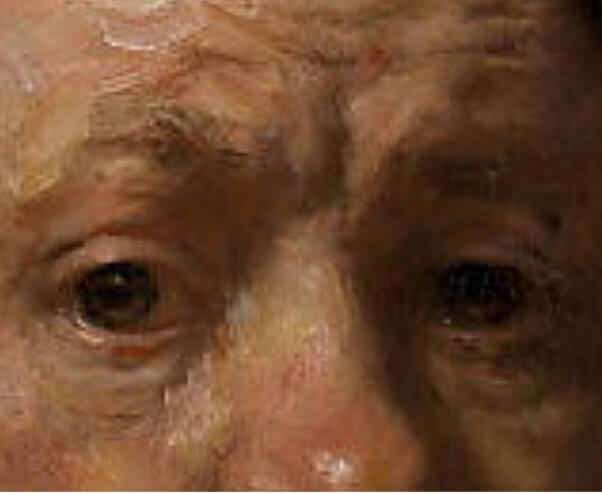
(Image: detail from Rembrandt Self Portrait, 1660, Metropolitan Museum of Art)