
COVER WORTHY: Why Some Beautiful Designer Projects Get Covered (and Others Don’t)
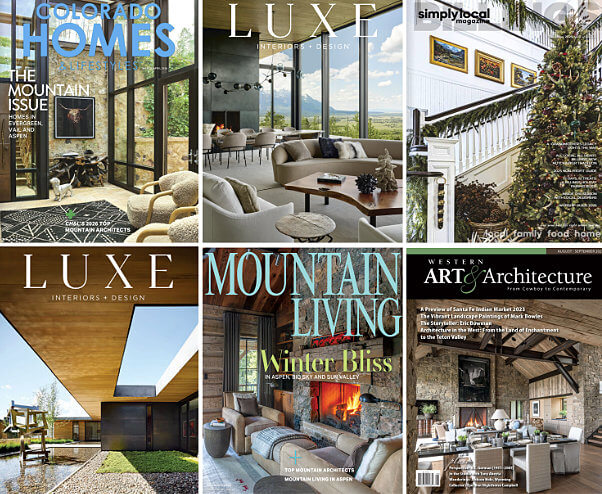
If only editors still came and walked through your completed projects, then set up a photo shoot, as they used to in days of old. In those days, editors, and their style and photo teams, decided on a story angle and were responsible for translating a home’s in-real-life physical beauty into a feature article that showed it off in a specific way that fit their editorial vision.
But these days most magazines rely on what’s known as supplied photography. This means interior designers and architects must step into the editorial shoes and see a recently completed project often from a different perspective in order to convey it in a way that warrants coverage. (NOTE: all the covers pictured are Word PR client projects, and shooting for a possible cover is another piece of the puzzle.)
First, though, a caveat. Although true editorial shoots by magazines have become rare except for perhaps top-tier magazines shooting a celebrity home, we can’t say it never happens anymore – last winter, Word PR answered the call when Sunset magazine was looking for a snowy Jackson Hole getaway to photograph, and the magazine’s team flew out from California and styled and photographed a project from our client JLF Architects (with Abby Hetherington Interiors) that’s slated for their upcoming December issue. Still, it was the original photography JLF had already done that secured the deal – in this case serving as scouting shots for the project.
Some of our tips for getting the coverage you want:
- Photography is key, so hire the best photographer you can afford. It’s no secret that the same photographers’ names appear in top publications. Flip through the magazine where you hope to be seen and note the photographer’s work you like best. And if you can’t afford them, share favorite images with the photog you hire so they understand the look you’re going for.
- Lighting matters. Look at the difference between editorial photos in a magazine and, say, real estate images selling a home. Light creates ambience; the point isn’t to brightly light every corner; it’s to create a mood.
- Styling is king. From an editorial perspective, the pictures you present should tell a story. And all the images from a project should be part of the same story. Especially when photographing second/vacation homes, which can tend to be a bit blank or neutral compared to a full-time residence, styling can bring the personality. For mountain homes, think telltale skis and gear; for families with kids, leave a few of those items around; art collectors, make sure you capture important pieces and have the info (artist’s name/title of work/medium); when you can, include a dog, cat, person or child (okay to have them in motion so not recognizable).
- Remember layout. Strong horizontal shots can really show off a large space, but it’s important to give magazines options. For “hero” shots, shoot the same space horizontally and vertically. Shoot all of a home’s main rooms and create a Dropbox in “home tour” order – ideally entry, living room, dining room, kitchen, primary bedroom and bathroom, and any other special spaces (guest rooms or guesthouse, wine or workout room, powder room, mudroom…). And if you’re hoping for a feature, be sure to shoot exteriors, including beautifully styled outdoor spaces.
- Don’t get hung up on shooting a cover. Sometimes a particular area just presents itself as cover material (like the Aspen Design House “Tree House” entryway that appeared on the cover of Colorado Homes & Lifestyles pictured). So it’s fine to make an attempt at capturing a “cover shot” if you’re seeing something particular. But editors/art directors typically crop the cover from a larger shot, so give them plenty to work with and trust them to pull out the perfect image.
- Words matter too. Be concise, include basic info, but also, as with styling, tell a story. Who lives in the home (of course, anonymity is fine, but is it a family with young kids and dogs; a couple looking to gather generations at the holidays; where are they from; how did their interests and tastes influence the design)? What did you, as a designer or architect, find particularly interesting, fun – or challenging – in creating the home? One useful approach Word PR uses, is to open with a short, punchy description to hook an editor’s interest, followed by a photo Dropbox in “house tour” order, as if you were walking through. Some editors really just want to see the pictures, and that’s enough for them to ask for more or decide to pass. But then we also like to add a longer, more detailed description of the home below our signature in case they want to delve deeper without having to ask.
- UNDERSTAND WHO YOU’RE PITCHING. Maybe most importantly, know the media where you’re pitching a story. Review at least several issues and their website to see if the home (and the photography) you’re submitting – as well as the story angle you’re proposing – seems like a true fit for a publication. Don’t waste editors’ time sending something they’d never use; that’s a good way to get them to quit reading your emails. And think seasonally. Print magazines work six months to a year (or more!) out, so send holiday homes in the spring, and beautiful summer spreads in the winter. And don’t be surprised, if a project is selected, if it means keeping it under wraps for a year or more until it first appears in print.